

Introduction
The demand for MHRB for sale has increased in recent years as more people explore natural plant materials for botanical, research, and traditional applications. MHRB, or Mimosa hostilis root bark, is a natural product derived from the root system of the Mimosa tenuiflora tree, which is native to regions of Central and South America. Because of its growing popularity, buyers often encounter many suppliers, product grades, and pricing variations, making it important to understand what influences quality and how to choose a reliable source. When searching for MHRB for sale, many customers are not just looking for availability but also consistency, ethical sourcing, and transparency from sellers.
Understanding What MHRB Is
MHRB refers specifically to the inner root bark of the Mimosa hostilis tree. This part of the plant is known for its fibrous structure and natural richness in plant compounds, which is why it has been used in traditional practices for generations. In modern markets, MHRB is typically sold in dried or powdered form, depending on how it has been processed after harvesting. When exploring options for MHRB for sale, it is important to recognize that the product is entirely plant-based and its quality depends heavily on how carefully it has been collected, dried, and stored before reaching the buyer.
Why Demand for MHRB for Sale Is Increasing
One of the main reasons MHRB for sale is frequently searched is the growing global interest in ethnobotany and natural plant materials. Many buyers are interested in its traditional background, while researchers may study its chemical composition for academic purposes. Additionally, the expansion of online botanical marketplaces has made it easier for consumers to access such products worldwide. However, this increased demand also means that the market is filled with varying levels of quality, making it essential for buyers to be cautious and well-informed before purchasing.
Key Factors That Affect Product Quality
When evaluating MHRB for sale, several important factors determine the overall quality of the product. One of the most significant factors is the source of the plant material. Trees grown in different regions may produce root bark with slightly different characteristics due to soil quality, climate, and growing conditions. Another important factor is the harvesting process. Ethical and sustainable harvesting ensures that only mature trees are used and that the ecosystem is not damaged.
Processing methods also play a major role. After harvesting, the bark must be carefully cleaned and dried to prevent mold, contamination, or loss of natural properties. Improper drying can lead to poor-quality material that may appear dull, brittle, or inconsistent. Storage conditions are equally important, as exposure to moisture or heat can degrade the product over time.
How to Identify High-Quality MHRB
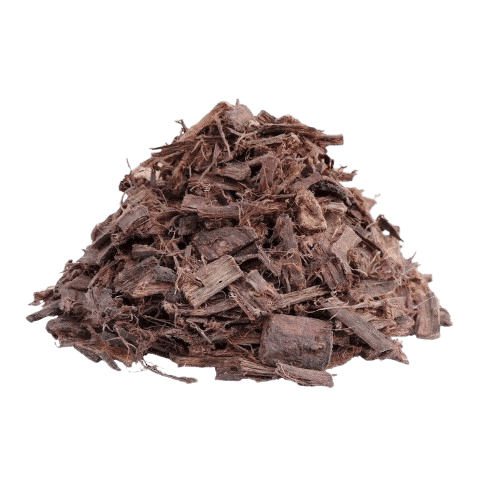
Buyers searching for MHRB for sale should pay close attention to product appearance and seller transparency. High-quality MHRB typically has a consistent texture and natural color, indicating proper drying and handling. It should not contain foreign materials such as dirt, excessive dust, or non-plant matter. Powdered forms should be fine and uniform, while shredded or chipped bark should appear clean and evenly cut.
Reliable suppliers usually provide clear product descriptions, including origin, processing methods, and storage recommendations. They may also offer customer support to answer questions about the product. Transparency is one of the strongest indicators of quality in the botanical marketplace.
Choosing a Trustworthy Supplier
Selecting a trustworthy supplier is one of the most important steps when purchasing MHRB for sale. The online market includes many vendors, but not all maintain the same level of quality control or ethical sourcing practices. Buyers should look for sellers with a strong reputation, positive customer feedback, and clear communication practices.
A reputable supplier will typically provide detailed information about sourcing locations and harvesting methods. They should also be willing to answer questions about product consistency and batch quality. In contrast, sellers who provide vague descriptions or lack transparency may not be reliable sources.
Pricing Factors in the MHRB Market
The price of MHRB for sale can vary significantly depending on several factors. One of the primary influences is quality grade. Higher-quality, carefully processed bark generally costs more due to better handling and sourcing practices. Geographic origin can also affect pricing, as some regions produce more desirable or consistent material.
Supply chain factors such as transportation costs, packaging, and import regulations may also influence the final price. Buyers should be cautious of prices that seem unusually low, as this may indicate lower-quality or improperly processed material.
Legal and Ethical Considerations
Before purchasing MHRB for sale, it is essential to understand the legal status of the product in your region. Regulations may vary depending on local laws, and buyers are responsible for ensuring compliance with all applicable rules. In some areas, botanical materials are regulated based on their intended use, so it is important to conduct proper research before making a purchase.
Ethical considerations are also important. Responsible sourcing ensures that the plant is harvested in a way that does not harm natural ecosystems or exploit local communities. Many buyers now prefer suppliers who follow sustainable and environmentally friendly practices.
Proper Storage and Handling
Once purchased, MHRB should be stored correctly to maintain its quality. Exposure to moisture, sunlight, and heat can negatively affect the product. It is generally recommended to store it in a cool, dry environment using airtight packaging to preserve freshness. Proper storage ensures that the material remains stable and usable for a longer period of time.
Common Mistakes Buyers Should Avoid
When searching for MHRB for sale, many buyers make the mistake of focusing only on price rather than quality. While affordability is important, extremely low prices can sometimes indicate poor sourcing or improper processing. Another common mistake is failing to verify supplier credibility, which can lead to inconsistent or unreliable product quality.
Some buyers also overlook the importance of reading product descriptions carefully. Details about origin, form, and processing methods can provide valuable insight into what you are purchasing and help avoid misunderstandings.
Conclusion
Understanding MHRB for sale requires more than simply finding a supplier. Buyers must consider quality, sourcing practices, legal compliance, and supplier transparency before making a decision. By learning how to evaluate product quality and identify trustworthy sellers, consumers can make more informed choices and avoid common pitfalls in the botanical marketplace.
Whether for research, study, or general botanical interest, MHRB should always be sourced responsibly and handled with care. Taking the time to understand its origins and quality factors ensures a safer and more reliable purchasing experience.